英検1級合格への道のりは決して平坦ではありませんが、毎日一歩ずつエッセイに向き合うことで、本番で揺るぎない自信を持ってペンを握れるようになるはずです。試験前日の自分に「やりきった」と胸を張れるよう、100日ノックを共に駆け抜けていきましょう。今日はDay5. 2026年度の第一回試験まで残り96日!
もくじ
Agree or Disagree: Japan should prioritize increasing its food self-sufficiency.
島国である日本にとって、食料自給率の向上は古くからの課題ですが、地政学的な不安が高まる今、その重要性はさらに増しています。 「国内の農業を守るべき」という声がある一方で、自由貿易のメリットや労働力不足といった現実的な壁も立ちはだかります。 今回は、この「食の安全保障」をテーマに、英検1級で役立つ論理構成を学んでいきましょう。
1. 論理構成キーワード
エッセイの説得力を高めるためのキーワードです。まずは自分で論点を組み立てる際のヒントにしてみてください。
- 賛成派の骨組み: [地政学的リスク], [国内農業の活性化], [食の安全と品質]
- 反対派の骨組み: [比較優位の原則], [自由貿易の恩恵], [コストと労働不足]
1-2. 重要関連語彙リスト
- Food security: 食料安全保障
- Geopolitical instability: 地政学的な不安定さ
- Comparative advantage: 比較優位
- Domestic agricultural yield: 国内の農業収穫量
- Vulnerability: 脆弱性
- Self-sufficiency ratio: 自給率
- Supply chain disruption: サプライチェーンの混乱
- Trade liberalization: 貿易の自由化
2. エッセイ回答例
ではここからは早速回答例を見ていきましょう。賛成派、反対派、それぞれのエッセイ例全文、要旨、キーワードを紹介しています。
A-1. 賛成派の英文全文
In an increasingly volatile world, food security has become an existential concern for Japan. I firmly believe that Japan should prioritize increasing its food self-sufficiency to mitigate geopolitical instability, preserve its rural landscape, and ensure the long-term health of its citizens.
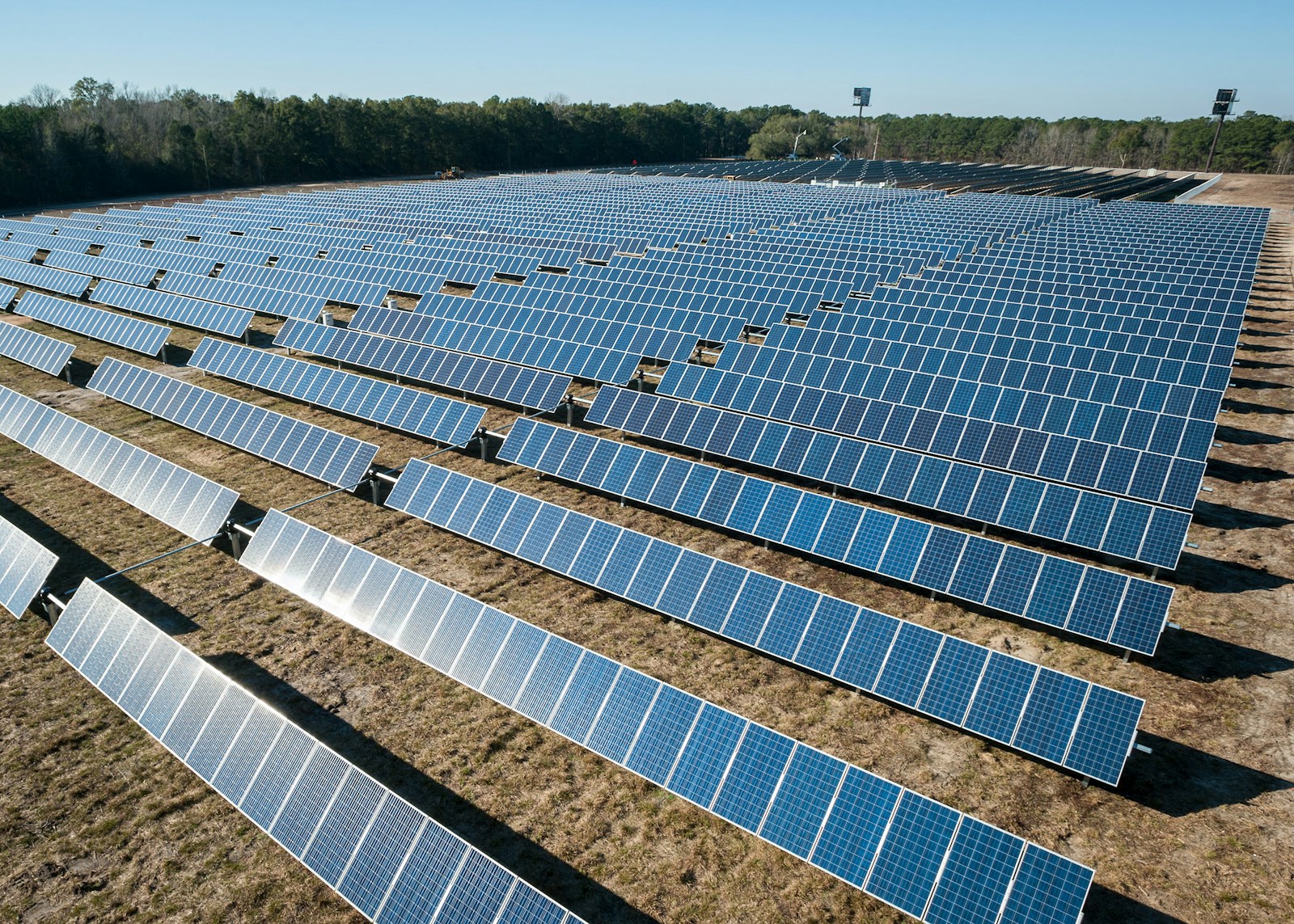
First, Japan’s heavy reliance on imports creates a dangerous vulnerability. Any supply chain disruption caused by international conflicts or climate-driven crop failures abroad could lead to immediate food shortages. By boosting the self-sufficiency ratio, Japan can insulate its population from external shocks beyond its national control.
Second, prioritizing self-sufficiency is a vital catalyst for revitalizing the domestic agricultural sector. Currently, Japan faces a crisis of abandoned farmland and an aging farming population. Government initiatives focused on increasing domestic agricultural yield through smart farming and subsidies would provide economic incentives for younger generations to enter the industry, thereby preserving traditional rural communities.
Finally, a higher self-sufficiency rate allows for stricter control over food safety. Consumers are increasingly wary of the chemical additives and pesticides used in mass-produced global imports. Strengthening domestic production ensures that Japanese citizens have access to high-quality, fresh produce that meets the nation’s stringent health standards.
In conclusion, while achieving complete self-sufficiency is challenging, prioritizing its increase is a necessary strategy for national security and social stability. Japan must act now to safeguard its most basic necessity.
(233 words)
(要旨)
導入: 不安定な国際情勢において食料安全保障は死活的な問題であり、日本は自給率向上を最優先すべきである。
論点1(地政学): 輸入への過度な依存はサプライチェーンの混乱に弱い。自給率を高めることで、外部からの衝撃から国民を守ることができる。
論点2(地域活性): 自給率向上を目標に掲げることで、スマート農業の導入や補助金が促進され、高齢化する農村地域の活性化や若者の就農につながる。
論点3(安全): 国内生産を強化することで、輸入品の添加物や農薬に対する不安を解消し、日本の厳格な基準に合格した高品質で新鮮な食料を確保できる。
結論: 完全な自給は難しくとも、自給率向上を優先することは国家安全保障と社会の安定のために不可欠な戦略である。
A-2. 要チェック語彙・フレーズ解説
- Volatile: 不安定な、変動しやすい
- Existential: 存在に関わる、死活的な
- Mitigate: 緩和する、軽減する
- Insulate: 隔離する、保護する
- Catalyst: 触媒、きっかけ
- Revitalizing: 活性化させる
- Wary of: ~を警戒している
- Stringent: 厳格な
B-1. 反対派の英文全文
While the concept of food security is undoubtedly important, I disagree with the idea that Japan should prioritize increasing its food self-sufficiency. Instead, Japan should focus on strengthening international partnerships and diversifying its import sources, as the pursuit of self-sufficiency is economically inefficient and practically unattainable.
First, Japan’s geography imposes significant constraints on large-scale agriculture. Due to its mountainous terrain and limited arable land, Japan lacks the comparative advantage held by nations such as Australia or the United States. Attempting to force higher production through massive subsidies would result in an inefficient allocation of taxpayers’ money and lead to unaffordable food prices for consumers.
Second, trade liberalization offers more robust security than isolationist self-sufficiency. By maintaining strong ties with multiple trading partners, Japan can ensure a stable food supply even if one region suffers a poor harvest. This diversification strategy is far more resilient than relying solely on domestic production, which is itself vulnerable to local natural disasters like typhoons or earthquakes.
Finally, Japan’s chronic labor shortage due to its aging population makes a significant expansion of the agricultural sector unfeasible. The nation should instead prioritize high-tech sectors where it remains competitive.
In summary, rather than chasing an unrealistic self-sufficiency ratio, Japan should optimize its economy through global trade while implementing a pragmatic, multi-layered approach to food security.
(239 words)
(要旨)
導入: 食料安全保障は重要だが、自給率向上を優先すべきではない。自給の追求は経済的に非効率であり、現実的でもないからだ。
論点1(経済性): 山地が多く耕作放棄地も限られる日本は、大規模農業において比較優位を持たない。無理な増産は、多額の税金投入と食料価格の高騰を招く。
論点2(多様化): 孤立主義的な自給よりも、貿易の自由化と輸入先の多様化こそが強靭な安全保障を生む。国内で災害が起きた際のリスク分散にもなる。
論点3(労働力): 深刻な人手不足の中、農業の大幅な拡大は実行不可能である。日本は自給率という数字を追うより、強みのあるハイテク分野に注力すべきだ。
結論: 非現実的な自給率を追い求めるのではなく、グローバルな貿易と現実的な多層的アプローチによって、食料供給の安定を最適化すべきである。
B-2. 要チェック語彙・フレーズ解説
- Undoubtedly: 疑いようもなく
- Unattainable: 到達不可能な
- Comparative advantage: 比較優位
- Arable land: 耕作可能な土地
- Isolationist: 孤立主義的な
- Resilient: 回復力のある、強靭な
- Unfeasible: 実行不可能な
お疲れ様でした!今日のトピック、あなたならどう論じますか? 100日完走を目指して、解答例をヒントに、「英検1級らしい」表現をどんどん吸収していきましょう。 毎日少しずつの積み重ねが、気づけば大きな自信に変わっているはずですよ。明日もまた、ここでお会いしましょう。
こちらもぜひお読みください

 ポチップ
ポチップ
苦行ではなく、高額なコーチングに頼るのでもなく、楽しみながら英検合格を目指す仲間を増やしませんか?応援、よろしくお願いします! :)