英検1級合格への道のりは決して平坦ではありませんが、毎日一歩ずつエッセイに向き合うことで、本番で揺るぎない自信を持ってペンを握れるようになるはずです。試験前日の自分に「やりきった」と胸を張れるよう、100日ノックを共に駆け抜けていきましょう。今日はDay3. 2026年度の第一回試験まで残り98日!
もくじ
Agree or Disagree: Developed nations provide debt relief to developing countries.
1. 論理構成キーワード
エッセイの説得力を高めるための論理的フレームワークです。まずは自分でエッセイを考える際の参考にしてください。
- 賛成派の骨組み: [貧困の連鎖断絶], [インフラ投資促進], [世界経済の安定]
- 反対派の骨組み: [モラルハザード], [債権国の財政負担], [汚職による悪用]
1-2. 重要関連語彙リスト
- Sovereign debt: 国家債務
- Fiscal austerity: 財政緊縮
- Economic stagnation: 経済停滞
- Humanitarian imperative: 人道上の急務
- Solvency: 支払い能力
- Vicious cycle: 悪循環
- Development assistance: 開発援助
2. エッセイ回答例
ではここからは早速回答例を見ていきましょう。賛成派、反対派、それぞれのエッセイ例全文、要旨、キーワードを紹介しています。
A-1. 賛成派の英文全文
The question of whether developed nations should provide debt relief to developing countries is a subject of intense global debate. While some argue for strict adherence to loan agreements, I firmly believe that comprehensive debt forgiveness is essential for fostering a more equitable and stable world.
Firstly, debt relief is crucial for breaking the vicious cycle of poverty. Many developing nations allocate a disproportionate share of their national budget to servicing interest on foreign loans. This leaves meager resources for essential public services such as healthcare and education. By alleviating this financial burden, these nations can invest in human capital, which is the cornerstone of long-term economic growth.
Secondly, debt cancellation enables developing countries to prioritize infrastructure and industrial development. When freed from the shackles of exorbitant debt, governments can fund projects that enhance productivity and attract foreign direct investment. This transition from a debt-ridden state to an emerging market ultimately benefits the global economy by creating new trade partners.
Finally, providing debt relief is a humanitarian imperative. It is ethically questionable for wealthy nations to demand repayment from impoverished populations struggling with systemic crises. Addressing this disparity fosters international cooperation and prevents social unrest, which can otherwise lead to migration crises and global instability.
In conclusion, because debt relief facilitates investment in essential services, stimulates economic growth, and fulfills moral obligations, developed nations should proactively forgive the debts of developing countries. Such actions pave the way for a more prosperous and harmonious global community.
(226 words)
(要旨)
導入: 公平で安定した世界を築くために、先進国による発展途上国への包括的な債務免除は不可欠である。
論点1(貧困打破): 外債の利払い(servicing interest)に消えていた予算を教育や医療に回すことで、貧困の連鎖を断ち切り、長期的な成長が可能になる。
論点2(経済活性): 債務の足枷から解放されれば、インフラ投資や産業開発が可能になり、新たな貿易相手として世界経済全体に利益をもたらす。
論点3(人道): 困窮する人々に返済を迫るのは倫理的に疑問。格差を是正することは、社会不安や移民問題を防ぎ、世界の安定につながる。
結論: 債務救済は、不可欠な投資を促し、道徳的義務を果たすものであるため、先進国は積極的に債務を免除すべきである。
A-2. 要チェック語彙・フレーズ解説
- Alleviate: (苦痛や負担を)軽減する
- Exorbitant: (金額などが)法外な、非常に高い
- Shackles: 束縛、手枷
- Debt-ridden: 借金に苦しむ、債務を抱えた
- Humanitarian imperative: 人道上の急務
- Disparity: 格差、不均衡
- Foster: 促進する、育成する
B-1. 反対派の英文全文
Whether developed nations should grant debt relief to developing countries remains a contentious issue. Although proponents highlight humanitarian benefits, I contend that widespread debt forgiveness is counterproductive and undermines the integrity of the international financial system.
One primary concern is the issue of moral hazard. If developing nations expect their debts to be canceled, they may lack the incentive to implement prudent fiscal policies or manage their economies responsibly. This expectation encourages reckless borrowing and financial mismanagement, as governments assume that the international community will eventually bail them out, leading to a recurrence of the same crisis.
Furthermore, debt relief places an unfair burden on the taxpayers of creditor nations. Developed countries have their own domestic challenges, such as aging populations and crumbling infrastructure. Diverting substantial funds to cover the losses of unpaid loans is politically difficult and may result in reduced domestic social spending, sparking resentment among the citizens of developed nations.
Lastly, there is the significant risk that the forgiven funds will be misused due to endemic corruption. In many debt-distressed nations, a lack of transparency means that the financial “breathing room” provided by debt relief may be siphoned off by corrupt officials rather than reaching the vulnerable populations it was intended to help.
In conclusion, due to the risks of moral hazard, the fiscal strain on creditor countries, and the potential for corruption, unconditional debt relief is not a viable solution. Instead, the focus should be on sustainable lending practices and rigorous structural reforms to ensure long-term financial stability.
(231 words)
(要旨)
導入: 広範な債務免除は、国際金融システムの誠実さを損ない、逆効果になるため、実施すべきではない。
論点1(モラルハザード): 借金が帳消しになると期待すると、無責任な財政運営や無謀な借り入れを助長し、同じ危機を繰り返す原因になる。
論点2(債権国の負担): 債務の肩代わりは、債権国の納税者に不当な負担を強いる。自国の国内問題への予算を削ることになり、国民の反発を招く。
論点3(汚職): 汚職が蔓延している国では、免除によって浮いた資金が、困窮した人々ではなく腐敗した役人に不正流用(siphon off)されるリスクが高い。
結論: モラルハザードや汚職、債権国の財政負担を考えると、無条件の救済は持続可能な解決策ではない。構造改革こそが優先されるべきだ。
B-2. 要チェック語彙・フレーズ解説
- Contentious: 議論を呼ぶ、異論の多い
- Moral hazard: モラルハザード(倫理の欠如による無責任な行動)
- Prudent: 慎重な、賢明な
- Bail out: 救済する(特に資金援助で)
- Endemic: (病気や悪習が)地域特有の、蔓延している
- Siphon off: (資金などを)不正に流用する、吸い上げる
- Viable: 実行可能な、生存可能な
お疲れ様でした!今日のトピック、あなたならどう論じますか? 100日完走を目指して、解答例をヒントに、「英検1級らしい」表現をどんどん吸収していきましょう。 毎日少しずつの積み重ねが、気づけば大きな自信に変わっているはずですよ。明日もまた、ここでお会いしましょう。
こちらもぜひお読みください

[広告]
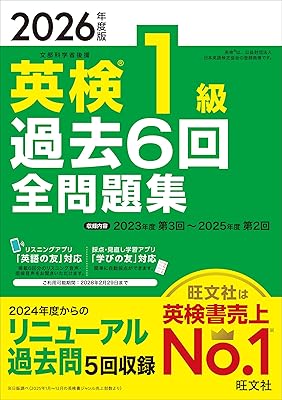

 ポチップ
ポチップ
苦行ではなく、高額なコーチングに頼るのでもなく、楽しみながら英検合格を目指す仲間を増やしませんか?応援、よろしくお願いします! :)