英検1級合格への道のりは決して平坦ではありませんが、毎日一歩ずつエッセイに向き合うことで、本番で揺るぎない自信を持ってペンを握れるようになるはずです。試験前日の自分に「やりきった」と胸を張れるよう、100日ノックを共に駆け抜けていきましょう。今日はDay4. 2026年度の第一回試験まで残り97日!
もくじ
Agree or Disagree: The government should ban the sale of petrol-powered cars in the near future.
1. 論理構成キーワード
エッセイを執筆・分析する際の論理的な柱として参考にしてください。
- 賛成派の骨組み: [脱炭素化の加速], [技術革新の促進], [大気汚染の改善]
- 反対派の骨組み: [インフラの未整備], [経済的・産業的打撃], [消費者の選択権侵害]
1-2. 重要関連語彙リスト
- Decarbonization: 脱炭素化
- Internal combustion engine (ICE): 内燃機関
- Internalize the externalities: 外部性を内部化する(環境コストを価格に反映させる)
- Fossil fuels: 化石燃料
- Subsidy: 補助金
- Infrastructure disparity: インフラの格差
- Obsolescence: 陳腐化、廃れること
- Renewable energy: 再生可能エネルギー
2. エッセイ回答例
ではここからは早速回答例を見ていきましょう。賛成派、反対派、それぞれのエッセイ例全文、要旨、キーワードを紹介しています。
A-1. 賛成派の英文全文
The global imperative to combat climate change has placed the automotive industry at a crossroads. I firmly believe that governments should ban the sale of new petrol-powered cars in the near future to accelerate decarbonization, stimulate technological innovation, and improve public health.
First, the transport sector is a primary contributor to greenhouse gas emissions. A decisive ban on the internal combustion engine would force a rapid transition to electric vehicles. This shift is indispensable for nations striving to meet the rigorous targets set by international climate agreements, effectively mitigating the catastrophic effects of global warming.
Second, such a mandate would serve as a powerful catalyst for innovation. When the phase-out of fossil-fuel vehicles becomes a legal certainty, automotive companies are incentivized to invest heavily in battery technology and renewable energy integration. This ensures that the industry moves beyond incremental changes and toward a revolutionary overhaul of sustainable mobility.
Finally, eliminating petrol cars would drastically reduce urban air pollution. Nitrogen oxides and particulate matter from exhaust are linked to severe respiratory ailments. Transitioning to zero-emission vehicles would create cleaner, more livable cities, ultimately reducing the burden on public healthcare systems and enhancing the quality of life for urban residents.
In conclusion, although a ban presents significant challenges, the environmental and health benefits are too substantial to ignore. By mandating a shift to green transportation, governments can lead the way toward a more sustainable future.
(238 words)
(要旨)
導入: 気候変動対策は世界の急務であり、脱炭素化を加速させるため、政府は近い将来ガソリン車販売を禁止すべきだ。
論点1(排出削減): 運輸部門は温室効果ガスの主要な排出源。内燃機関の禁止により電気自動車への移行を強制し、国際的な気候目標の達成を確実にする。
論点2(技術革新): 販売禁止が法的に確定すれば、企業は電池技術や再生可能エネルギーに巨額投資せざるを得なくなり、持続可能な移動手段への抜本的改革が促される。
論点3(公衆衛生): 排ガスによる大気汚染を排除することで、呼吸器疾患の負担を減らし、より清潔で住みやすい都市環境を実現できる。
結論: 課題はあるものの、環境と健康への恩恵は無視できないほど大きい。政府はクリーンな輸送への移行を主導すべきである。
A-2. 要チェック語彙・フレーズ解説
- Imperative: 急務、避けられない義務
- At a crossroads: 正念場に立たされて
- Indispensable: 不可欠な
- Rigorous: 厳格な
- Mitigate: 軽減する、緩和する
- Phase-out: 段階的廃止
- Incremental: 徐々の、微増の
- Overhaul: 抜本的な見直し、整備
B-1. 反対派の英文全文
While the transition to sustainable transport is essential, a government mandate to ban petrol-powered cars in the near future is a misguided policy. I contend that such a ban is premature due to insufficient infrastructure, the potential for severe economic disruption, and the disregard for consumer autonomy.
To begin with, the current infrastructure is inadequate to support a total transition to electric vehicles. In many regions, infrastructure disparity remains a significant hurdle; the lack of widespread charging stations makes EVs impractical for long-distance travel and rural residents. Without a robust and reliable grid, a ban would lead to massive logistical failures and social inequality.
Furthermore, the economic repercussions would be devastating. The automotive industry and its extensive supply chain are built around the internal combustion engine. A rapid ban would jeopardize millions of jobs and lead to the sudden obsolescence of existing manufacturing plants. This would cause a profound economic shock, particularly in nations where the car industry is a cornerstone of the economy.
Lastly, a ban infringes upon consumer choice. Not everyone can afford the high upfront costs of electric vehicles, even with government subsidies. Forcing a specific technology upon the public without considering diverse financial situations and geographical needs is an overreach of state power that may foster public resentment.
In summary, a ban is an overly simplistic solution to a complex problem. Governments should instead focus on incentivizing green technology and improving infrastructure before considering such a drastic and potentially harmful prohibition.
(239 words)
(要旨)
導入: 持続可能な輸送への移行は重要だが、インフラ不足や経済的打撃、消費者の選択権侵害を考えると、近い将来の販売禁止は誤った政策である。
論点1(インフラ): 充電設備の不足などインフラ格差が激しく、現状では地方居住者や長距離移動にとって電気自動車は不便であり、社会的な不平等を生む。
論点2(経済的打撃): 自動車産業の広大なサプライチェーンは内燃機関を中心に構築されており、急激な禁止は数百万人の雇用を奪い、経済の柱を崩壊させかねない。
論点3(消費者の権利): 電気自動車の高額な初期費用を誰もが負担できるわけではない。個人の財政状況やニーズを無視した強制的な政策は、国家による過度な介入である。
結論: 禁止という単純すぎる解決策ではなく、まずはインフラ整備や技術へのインセンティブ提供に焦点を当てるべきである。
B-2. 要チェック語彙・フレーズ解説
- Resentment: 憤慨、恨み
- Misguided: 見当違いの、誤った
- Consumer autonomy 消費者の自主性
- Repercussion: 反動、悪影響
- Jeopardize: 危うくする
- Cornerstone: 基礎、柱
- Infringe upon: 侵害する
- Upfront cost: 初期費用
お疲れ様でした!今日のトピック、あなたならどう論じますか? 100日完走を目指して、解答例をヒントに、「英検1級らしい」表現をどんどん吸収していきましょう。 毎日少しずつの積み重ねが、気づけば大きな自信に変わっているはずですよ。明日もまた、ここでお会いしましょう。
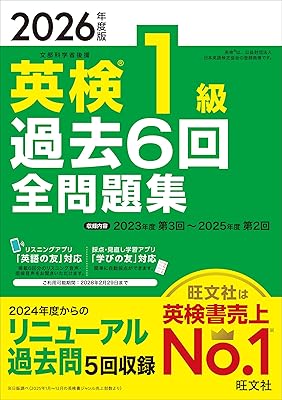
こちらもぜひお読みください

 ポチップ
ポチップ
苦行ではなく、高額なコーチングに頼るのでもなく、楽しみながら英検合格を目指す仲間を増やしませんか?応援、よろしくお願いします! :)